Copyright & AI update
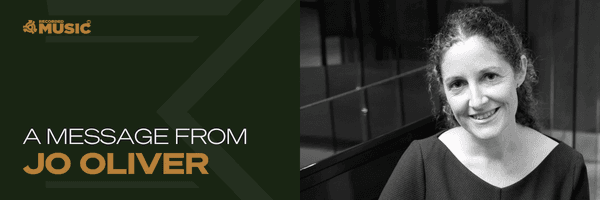
Kia ora koutou
It’s been a busy period in the world of copyright and AI! I thought now would be a good time to update you on some recent global events, along with a reminder of what’s happening in Aotearoa and Recorded Music NZ’s position:
- Following much activity in Australia, on 15 July Australian PM Anthony Albanese confirmed the Australian government will offer “the strongest possible protection” for Australian creatives, warning it would be “theft” if writers, artists and musicians didn’t have control of their work or receive payment for its use. The announcement follows lobbying by AI companies to weaken copyright law, which has been met by a strong response from the music and media sector including from our colleagues at ARIA. At the same time, Albanese announced the creation of an Office of AI to have overarching responsibility for regulation and policy relating to AI (more here)
- Work is also underway on industry responses to AI. Recorded Music NZ recently welcomed a new AI labelling framework announced by the global music community. The voluntary framework is intended to give music fans clearer information about the use of generative AI in sound recordings, distinguishing between “AI generated” and “AI assisted” (more here)
- Recorded Music NZ and Spotify hosted a video session with Spotify’s Global Head of Music Business Marketing and Policy, Sam Duboff, which had a focus on the steps Spotify is taking to promote human artistry and manage AI slop on the platform.
While things have been quieter in New Zealand so far, government is working on copyright and AI. In early June the New Zealand government announced it was progressing amendments to the Copyright Act including a long-awaited extension of term from 50 to 70 years. At the same time, Cabinet asked Minister Cameron Brewer to report back in March 2027 on a possible copyright framework for generative AI in New Zealand, acknowledging that issues around AI and copyright are complex, and different countries have taken various approaches. Recorded Music NZ has met with the Minister and is working to brief the Minister and officials.
Our position is that copyright law is fit for purpose in the age of AI and already provides the correct foundation for AI and music to develop.
Copyright law gives artists and rights holders the right to control whether and on what terms their recordings are used, including for AI training, while enabling licensing where that use is authorised. Copyright law also enables innovation to develop in a way that respects human creativity, copyright and the rights of people who create and invest in music.
We are asking government and political parties to protect that foundation, and to:
- Hold the line on copyright law and commit to introducing no new copyright exceptions for AI training. AI companies that train on music without consent are infringing copyright. If they want to use music they can seek licences and they can pay.
- Impose meaningful requirements on AI companies to keep records of what they are training on and to provide them to rights holders on request. This can support enforcement or licensing.
- Introduce regulations requiring AI generated content to be properly labelled.
- Take inspiration from Australia for a proactive and cohesive All-of-Government approach to regulating AI – and ensure the music and creative industries have a seat at the table when decisions are made.
These issues are fundamental to the future of our creative sector and Recorded Music NZ is working closely with our local and international industry colleagues to advocate for Aotearoa artists and rights holders.
I will keep you updated as things progress.
Ngā mihi nui
Jo Oliver
CEO, Recorded Music NZ
Recent Posts
September 17, 2026OneMusic New Zealand Event Licences Consultation and proposed Licensing Scheme
September 16, 2026AI, Copyright and the Future of NZ Music: Recorded Music publishes position paper
August 26, 20262026 NZ Music Industry Manifesto
August 24, 2026Recorded Music NZ at 2026 Going Global Music Summit
August 17, 2026Mel Parsons claims Top 40 #1 album with Castle Hill